How to choose the right dog toys? (Based on your dog)

Not all dog toys are created equal — and not all dogs play the same way.

The best toys depend on your dog’s:

  • Size
  • Energy level
  • Chewing style
  • Personality

Step 1: Know Your Dog’s Play Style

Chewers – Need durable, safe materials
Thinkers – Love puzzles and problem-solving
Chasers – Prefer interactive movement toys
Comfort Seekers – Enjoy softer toys for calm play


Step 2: Match Toys to Energy Level

  • High-energy dogs need engagement, not just durability
  • Calm dogs benefit from gentle stimulation
  • Puppies need safe exploration
  • Seniors need low-impact enrichment

Step 3: Rotate, Don’t Overload

Leaving every toy out reduces interest.

Rotation keeps toys:

  • Novel
  • Engaging
  • Exciting

👉 Internal link suggestion:
Read next: Dog Products You Didn’t Know You Needed


Be Strong but Friendly The right toy isn’t about quantity — it’s about purpose behavior problems aren’t behavior problems at all.
They’re bored.

Dogs are intelligent, curious animals. When their mental and physical needs aren’t met, boredom shows up in ways that frustrate owners — but make perfect sense to dogs.

Common Signs Your Dog Is Bored

1. Destructive Chewing
Shoes, furniture, pillows — boredom often targets whatever smells like you.

2. Excessive Barking or Whining
This isn’t always “bad behavior.” It’s communication.

3. Restlessness
Pacing, inability to settle, constantly seeking attention.

4. Digging or Scratching
A natural instinct when dogs need stimulation.

5. Over Excitement
Jumping, mouthing, or frantic energy can be signs of under-stimulation.


Why Boredom Is a Big Deal

A bored dog doesn’t just misbehave — they become:

Left unaddressed, boredom often turns into long-term behavioral issues.


How to Fix Dog Boredom (Without More Walks)

Exercise helps — but mental stimulation is the real game-changer.

Try this:

  • Rotate toys instead of leaving them all out
  • Use puzzle toys or treat challenges
  • Teach new tricks (5 minutes counts)
  • Play scent games indoors
  • Give your dog “jobs” like finding toys

Is Your Dog’s Walk Actually Fulfilling? 4 Ways to Upgrade Your Daily Stroll

Why take a walk?

  • Beyond the Bathroom Break: The Purpose of Walks
    • Physical Fitness: Tailoring distance and speed to breed, age, and energy level.
    • Sniffaris & Mental Stimulation: Why letting your dog follow their nose is as exhausting (and satisfying) as a long run.
  • Essential Walking Gear
    • Harnesses vs. Collars: Why front-clip or Y-shaped harnesses are safer for pullers and protect throat health.
    • Leash Selection: The dangers of retractable leashes versus standard 4–6 foot nylon or biothane leads.
    • Safety Extras: Reflective gear, LED attachments, and poop bag dispensers with built-in hooks.
  • Mastering Loose-Leash Walking
    • The “Red Light, Green Light” Method: How stopping in your tracks teaches tension control.
    • High-Value Treats on the Go: Timing rewards when your dog checks in with you visually.
    • Managing Reactive Reactions: Simple strategies (like the “Look at That” game) when passing other dogs or distractions.
  • Weather & Safety Considerations
    • Pavement Heat Check: The 7-second hand test to prevent paw pad burns in summer.
    • Cold & Rain Rules: Dog boots, paw wax (like Musher’s Secret), and towel-down routines after wet walks.
    • Hydration: Portable water bottles or collapsible bowls for long outings.

What Does My Dog Really Need?

“At Some Dog Needs, we believe in stripping away the noise to look at the core essentials of a happy canine life.”

Physical Comfort & Safety

Every dog needs a reliable foundation of security before anything else.

  • Orthopedic Support: wellness and joint care. A dedicated, comfortable spot to rest isn’t a luxury; it’s a health necessity.
  • Safety Essentials: high-quality walking gear (harnesses, reliable collars) for a secure environment, whether that’s a properly fenced yard or a carefully managed walk routine.

Mental Stimulation (The Brain Workout)

A tired mind makes for a well-behaved pup. Mental fatigue is just as important as physical exhaustion.

  • Interactive Play: get the right toys (puzzles, chew toys, and games) to channel a dog’s natural instincts and prevent destructive boredom behaviors.
  • Training as Engagement: training not just “command practice,” but as a crucial communication tool that strengthens your bond and stretches their mental capabilities.

Physical Exercise (Tailored to the Dog)

  • Beyond the Backyard: “Apartment vs. Yard” dynamic. a massive yard is great, but structured exercise, sensory-rich walks (letting them sniff!), and active playtime are what truly fulfill a dog’s physical needs.

Clear Communication & Boundaries

  • Predictability: Dogs crave routine and clear signals. consistent boundaries and positive reinforcement tools provide them with psychological comfort because they always know what to expect from their humans.

Conclusion & Call to Action

  • The Takeaway: while high-tech gadgets are fun, a dog’s true needs are simple: safety, comfort, mental engagement, and a strong bond with you.
  • Engagement Prompts: “What is the one thing your dog absolutely cannot live without? Let us know in the comments below!”

How to Choose the Right Dog Toys (Based on Your Dog)

Not all dog toys are created equal — and not all dogs play the same way.

The best toys depend on your dog’s:

  • Size
  • Energy level
  • Chewing style
  • Personality

Step 1: Know Your Dog’s Play Style

Chewers – Need durable, safe materials
Thinkers – Love puzzles and problem-solving
Chasers – Prefer interactive movement toys
Comfort Seekers – Enjoy softer toys for calm play


Step 2: Match Toys to Energy Level

  • High-energy dogs need engagement, not just durability
  • Calm dogs benefit from gentle stimulation
  • Puppies need safe exploration
  • Seniors need low-impact enrichment

Step 3: Rotate, Don’t Overload

Leaving every toy out reduces interest.

Rotation keeps toys:

  • Novel
  • Engaging
  • Exciting

👉 Internal link suggestion:
Read next: Dog Products You Didn’t Know You Needed


CTA (Strong but Friendly) The right toy isn’t about quantity — it’s about purpose behavior problems aren’t behavior problems at all.
They’re bored.

Dogs are intelligent, curious animals. When their mental and physical needs aren’t met, boredom shows up in ways that frustrate owners — but make perfect sense to dogs.

Common Signs Your Dog Is Bored

1. Destructive Chewing
Shoes, furniture, pillows — boredom often targets whatever smells like you.

2. Excessive Barking or Whining
This isn’t always “bad behavior.” It’s communication.

3. Restlessness
Pacing, inability to settle, constantly seeking attention.

4. Digging or Scratching
A natural instinct when dogs need stimulation.

5. Overexcitement
Jumping, mouthing, or frantic energy can be signs of under-stimulation.


Why Boredom Is a Big Deal

A bored dog doesn’t just misbehave — they become:

  • Anxious
  • Frustrated
  • Less confident
  • Harder to train

Left unaddressed, boredom often turns into long-term behavioral issues.


How to Fix Dog Boredom (Without More Walks)

Exercise helps — but mental stimulation is the real game-changer.

Try this:

  • Rotate toys instead of leaving them all out
  • Use puzzle toys or treat challenges
  • Teach new tricks (5 minutes counts)
  • Play scent games indoors
  • Give your dog “jobs” like finding toys
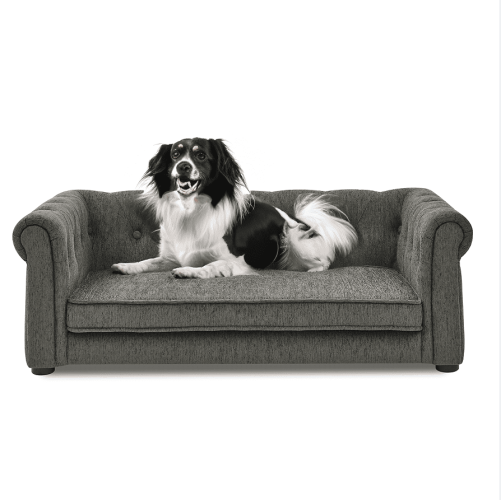
Apartment Dogs vs. Yard Dogs: Different Needs, Same Love

The Apartment Dog: Mental Stimulation is Key

Living in a smaller space requires more intentionality.

The Yard Dog: The Myth of “Self-Exercise”

Having a yard is a luxury, but it can lead to owner complacency.

Welcome to SomeDogNeeds.com: Because Your Best Friend Deserves the Best

Every dog owner knows that look. The head tilt, the wagging tail, and those “puppy eyes” that tell you they need something—whether it’s a tougher chew toy, a comfier bed, or just a really good treat.

At SomeDogNeeds.com, we’ve made it our mission to figure out exactly what those “somethings” are.

Why We’re Here

Let’s be real: the world of pet products is overwhelming. Between the endless aisles of kibble and the “indestructible” toys that last all of five minutes, it’s hard to know what’s actually worth your money. We started this site to cut through the noise.

Our goal is to provide:

  • Curated Recommendations: Only the stuff we’d actually give to our own dogs.
  • Expert Tips: From grooming hacks to training basics.
  • Honest Reviews: We tell you if a product is a “paws up” or a “hard pass.”

What You Can Expect

We aren’t just another pet site; we’re a community for people who consider their dogs family. Moving forward, this blog will be your go-to resource for:

  1. The “Must-Have” Lists: Seasonal gear, travel essentials, and safety picks.
  2. Health & Wellness: Treats and suppliments to keep those tails wagging longer.
  3. Dog Life Hacks: Because making your life easier means more time for belly rubs.

Join the Pack

We are so excited to embark on this journey with you and your furry companions. Whether you have a tiny Chihuahua or a massive Great Dane, there’s a place for you here.

“A dog is the only thing on earth that loves you more than he loves himself.” — Josh Billings

Before you go, we want to hear from you! What is the one thing your dog absolutely cannot live without? Drop a comment to our email or find us on social media.

What your dog needs?

We’ve all been there: standing in the middle of a pet store aisle, staring at a $40 plush toy that looks like a taco, wondering if it’s the key to our dog’s happiness. But here’s the truth—while your dog might want that taco, their actual needs are far more foundational. At Some Dog Needs, we believe that being a great dog owner isn’t about buying the most gear; it’s about buying the right gear. From biological fulfillment to emotional safety, let’s strip away the fluff and look at the science-backed essentials every dog needs to live a long, balanced, and joyful life

Section 1: The Biological Foundation (Nutritional Integrity & Rest)

Nutritional Integrity: More Than Just a Bowl of Kibble We often think of food as a chore—something to scoop into a bowl twice a day. But for your dog, nutrition is the fuel for their behavior. A high-quality diet tailored to their age and energy level is a fundamental need. When a dog lacks specific nutrients or is dealing with “filler-heavy” foods, it can lead to irritability and lethargy.

  • Pro Tip: Look for whole-protein sources as the first ingredient and consider adding “fresh” boosters like blueberries or steamed green beans for added antioxidants.

Restorative Sleep: The Overlooked Essential Did you know an adult dog needs between 12 to 14 hours of sleep a day? Puppies and seniors need even more. A primary “need” for any dog is a dedicated safe space where they won’t be bothered. Whether it’s a high-quality orthopedic bed or a cozy crate, providing a “den” allows their nervous system to fully decompress. Without deep, uninterrupted sleep, dogs can become reactive and anxious—just like a sleep-deprived human.

Every Dog is Unique

At the end of the day, every dog has a different personality. Some need more “zoomie” time, while others just want a quiet corner and a soft place to land. Finding those specific “needs” is what makes being a pet parent so rewarding. So stop in at somedogneeds.com for that perfect gift.

Puppy Love: 5 Ways to Be Your Dog’s Ultimate Valentine 🐾❤️

Valentine’s Day is usually about chocolates and roses, but let’s be honest: your dog is the one who gives you unconditional love 365 days a year. They don’t need a fancy dinner or a card; they just want to feel safe, healthy, and pampered.

If you’re looking to show your four-legged soulmate some extra appreciation this February, here are five ways to upgrade their life.

1. The Gift of a Perfect Night’s Sleep

Nothing says “I love you” like the cloud-like comfort of a premium orthopedic bed. As dogs age, their joints need extra TLC. Giving them a dedicated space with pressure-relieving foam is the ultimate act of care, ensuring they wake up with a wagging tail instead of stiff joints.

2. Sweet Treats (The Healthy Kind!)

While we indulge in heart-shaped chocolates, those are a big “no-no” for our pups. Instead, treat them to Hemp-Infused Calming Chews. They’re like a spa day in a snack—perfect for keeping your pup relaxed during those loud Valentine’s firework displays or busy dinner parties.

3. A “Date” Full of Play

Quality time is the best love language. Put down the phone and grab a new interactive rope toy or ball toy or a squeaky plushie. A solid 20-minute play session strengthens your bond, burns off “zoomie” energy, and keeps their mind sharp.

4. Style That Hugs Them Back

The February chill is still in the air! A cozy fleece vest or sweater isn’t just a cute photo op for your Instagram—it’s a functional way to keep your dog warm on your sunset Valentine’s walk. Look for breathable fabrics that allow for a full range of motion.

5. Fresh Breath for Post-Walk Kisses

Let’s face it: “dog breath” can be a bit of a mood-killer. Celebrate the holiday by introducing dental chew toys into their routine. These toys help scrub away plaque while they play, making those celebratory face licks much more pleasant for everyone involved.

5 Essential Ways to Level Up Your Dog’s Comfort This Season

As dog parents, we all want the same thing: a wagging tail, a healthy appetite, and a pup that feels safe and comfortable. But between the endless energy of puppyhood and the slower pace of the golden years, “what some dog needs” changes constantly.

Whether you’re looking to improve their sleep or manage their anxiety, here are five essentials that every happy home needs.

1. Prioritize Joint Health Early

Most people wait until they see a limp to think about orthopedic support. However, providing a high-quality orthopedic bed early on can help distribute weight evenly and protect joints from the cold, hard floor.

  • Pro Tip: Look for beds with high-density foam that doesn’t “sink” to the floor over time.

2. Mental Enrichment is as Important as Physical Exercise

A bored dog is often a destructive dog. If your pup is tearing up the furniture, they might just need a job to do. Interactive toys and squeaky latex toys provide sensory feedback that mimics natural instincts, keeping their minds sharp and their jaws off your shoes.

3. Manage Anxiety Naturally

Loud noises, separation, or even a change in the weather can cause stress. Before jumping to heavy medications, many owners are finding success with Hemp Calming Chews. Ingredients like turmeric and valerian root help take the edge off naturally, making “scary” situations like vet visits or thunderstorms much more manageable.

4. Gear Up for the Elements

If it’s too cold for you to stand outside in a t-shirt, it might be too cold for your dog. Apparel isn’t just a fashion statement; for short-haired breeds and seniors, a simple vest or sweater helps regulate body temperature and keeps them active during the winter months.

5. Routine Dental Care (Through Play!)

Brushing a dog’s teeth can be a battle. You can supplement their dental health by choosing textured chew toys or dental snacks. These help scrape away plaque and massage the gums while they play—turning a chore into a reward.